
Netcomm Forum 2026: three takeaways for established merchants
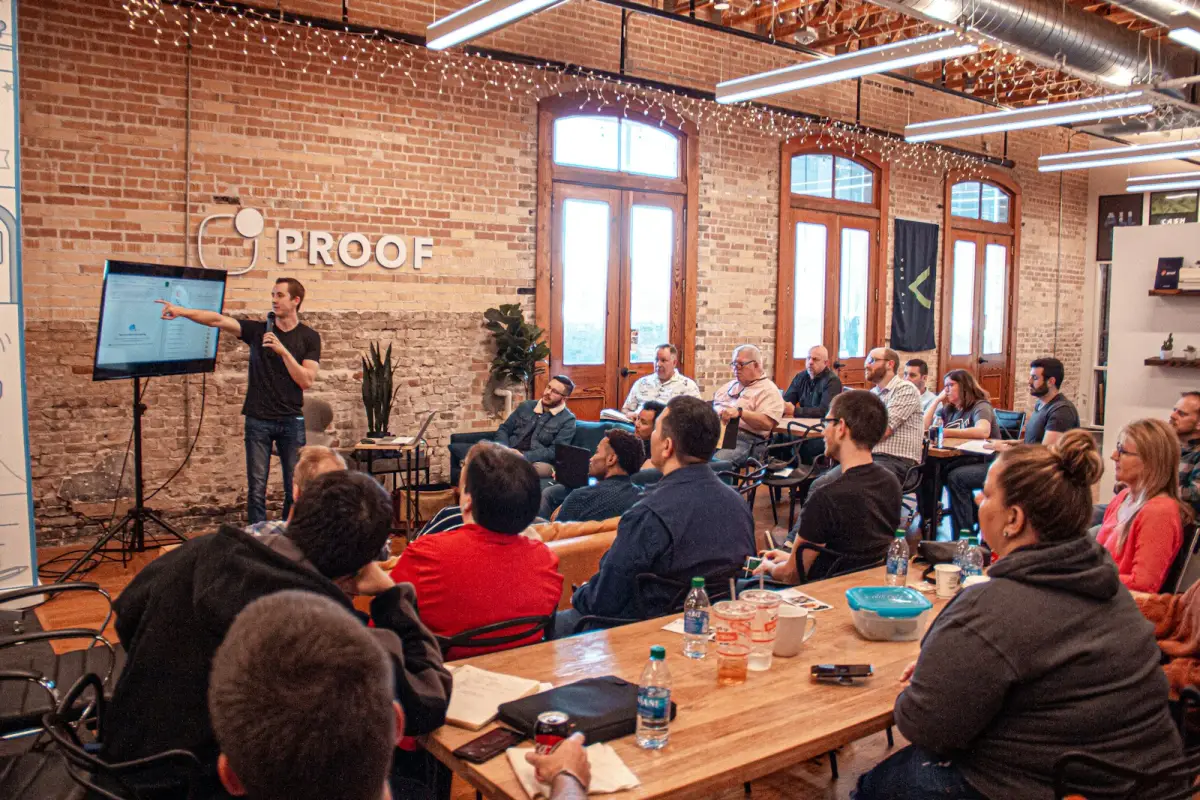
Netcomm Forum 2026 took place on 6-7 May at Allianz MiCo in Milan. This year's theme: Value Commerce – The New Era of Digital & Omnichannel Experience. Over 200 sessions, 380 exhibitors, 15,000 companies involved.
For someone launching an eCommerce project today, the Forum is an overview of emerging technologies. For someone running an established store — maybe for years, maybe with margins under pressure — the Forum is something different: a benchmark for understanding where the market is heading and where one's own operations risk falling behind.
Three themes from the 2026 edition deserve concrete action in the coming months.
1. The agentic customer changes the rules of the catalogue
The concept of agentic customer introduced by Carlo Alberto Carnevale Maffè (SDA Bocconi) — and picked up by Jacopo Allegrini of Google on agentic commerce — is not a theoretical exercise. It means that a growing share of searches and purchase decisions go through AI agents: ChatGPT, Claude, Gemini, Perplexity, agents embedded in browsers and marketplaces.
For an established merchant the problem is concrete: the catalogue was written to be read by a human. Catchy titles, emotional descriptions, technical attributes hidden in a separate tab or missing entirely. An AI agent reads differently. It looks for structured specs, comparable data, machine-readable attributes, compliance with markup standards (Schema.org, complete product feeds, JSON-LD structured data).
The operational consequences are two. First: review how product pages are structured, properly separating the narrative layer (for the human customer landing on the site) from the informational layer (attributes, dimensions, materials, compatibility, certifications). Second: enrich the feeds and structured data exposed to agents — Google Merchant, marketplace feeds, product sitemap. Anyone with hundreds or thousands of SKUs cannot postpone: technical debt grows quickly.
2. Retail media is a margin opportunity, not just an advertising cost
Retail media was one of the most recurring themes in the Forum's operational sessions. Traditionally it's framed from the buyer's side, those who purchase ad space on marketplaces. But for an established merchant with significant traffic on their own site, there's also the opposite side: monetising that traffic by hosting advertising from complementary brands.
Independent retail media platforms have reached a maturity that allows mid-sized operators to launch sponsored products programmes, contextual banners, and supplier co-funded campaigns. In many sectors — fashion, home, specialty food, beauty — retail media becomes an additional revenue line that adds to commercial margin rather than subtracting from it.
The Forum also highlighted a critical point: launching retail media programmes requires solid first-party data and audience segmentation that many Italian stores haven't built yet. It's an investment to plan now, because latecomers find the market already occupied.
3. Logistics goes back to being a sales factor
For years logistics has been treated as a cost centre to optimise. The 2026 Forum sessions — especially those by BRT, DHL and the main last-mile players — repositioned it as a trust and conversion lever.
The point isn't speed itself. The point is predictability: the customer wants to know when they'll receive the parcel, wants to change the delivery if needed, wants free and immediate returns. Vague promises ("shipping in 3-5 days") don't work anymore. The numbers confirm it: integrating transparent tracking systems, selectable delivery slots and self-service returns management has measurable effects on conversion rate and Net Promoter Score.
For an established merchant the question to ask is precise: is my logistics infrastructure today a competitive asset or a brake? Typical responses include integrating a unified tracking partner, enabling self-service returns in the customer account, displaying estimated delivery date on product page and cart, not just at checkout.
The thread connecting the three themes
The three fronts — catalogue for AI agents, retail media, logistics — seem disconnected but share a common denominator: structured first-party data. Without an enriched catalogue, you don't talk to AI agents. Without clean user segmentation, you don't activate retail media. Without integrated tracking and post-sale data, you don't turn logistics into a trust lever.
Investment in an eCommerce's internal data — product schemas, category taxonomy, customer journey events, post-purchase data — is the common prerequisite for everything else. Those who postponed for years now pay the debt.
How to move in the coming months
A reasonable path, for a merchant with an established store:
- Catalogue audit: how product pages are written, which attributes are present as structured data, which feeds are active and with what quality.
- Mapping of available first-party data: what is tracked today, where it lives, how segmentable it is.
- Logistics infrastructure assessment: how many integrations, which blind spots, which post-sale frictions.
- A 6-12 month roadmap that prioritises interventions by impact.
Let's talk
At Tunca we work with Shopify and Shopify Plus merchants on these three fronts: catalogue optimisation for AI agents and semantic SEO, retail media and marketing automation integrations, audit and redesign of the post-sale logistics flow. If your eCommerce is in a consolidation phase and you want to understand where the most concrete improvement margins are, get in touch for an initial conversation.