
Shopify Customer Accounts: Legacy Accounts Are Deprecated, How to Plan the Upgrade
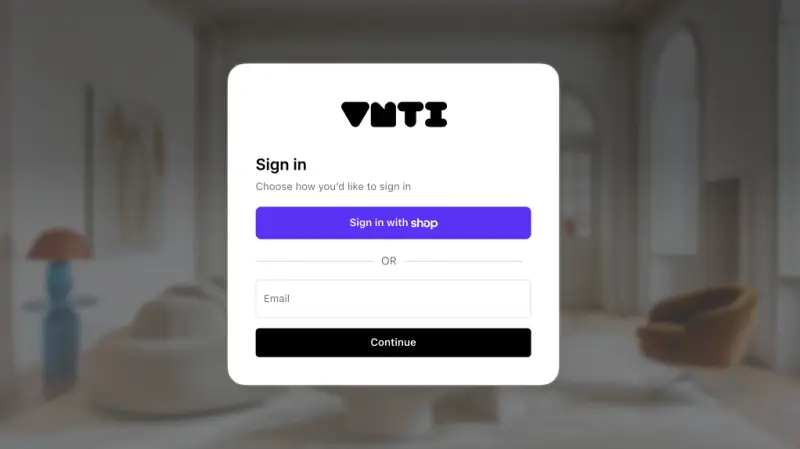
In February 2026, Shopify officially deprecated legacy customer accounts. The old email-and-password authentication system is no longer available to new stores, will no longer receive updates or technical support, and a final retirement date will be announced later this year.
For merchants still using legacy accounts, it's time to plan the transition to the new system. Here's what's changing, what benefits it brings, and how to manage the upgrade.
What the deprecation means
Legacy customer accounts — built on Liquid templates such as customers/account.liquid and customers/login.liquid — are being progressively replaced by the new customer accounts, an architecture redesigned by Shopify for modern eCommerce.
Starting April 2026, Shopify has begun automatic upgrades for stores with no or minimal use of legacy accounts and no customizations. Merchants receive a notification on the day of the upgrade and have 30 days to revert. Customer data, orders, and existing records remain unchanged.
For stores with more structured customizations — custom Liquid templates, Multipass/SSO integrations, custom registration fields, loyalty or subscription apps linked to the account area — a dedicated migration plan is required.
Benefits of the new customer accounts
The new system represents a significant architectural shift, with tangible benefits in security, functionality, and maintainability.
Passwordless authentication
Customers sign in with email and a one-time passcode (OTP), with optional social login via Google and Facebook. The result: less friction at login, fewer password reset requests, and fewer support tickets.
Native features
Store credit, self-serve returns, B2B support, and subscription management are built into the system. New features released by Shopify are available automatically, with no code changes required.
App-based customization
The account area is customized through app blocks manageable from the theme's visual editor — no Liquid template modifications needed. Over 800 apps are already compatible with the new framework.
Sandboxed architecture
The account area operates in a sandboxed environment, separate from the theme. This reduces compatibility issues and simplifies long-term maintenance.
What the upgrade requires
For stores without significant customizations, the upgrade is activated from the store settings and is operational within minutes.
For stores with more complex configurations, the process involves several key steps.
Customization audit
Map all custom Liquid templates, apps linked to the account area, additional registration fields, and automations based on customer account status.
App compatibility check
Apps that depend on legacy templates won't work with the new accounts. You'll need to verify that updated versions compatible with Customer Account UI Extensions are available, or identify alternatives.
Customer communication
The sign-in method changes: from password-based login to email OTP. Proactive communication reduces post-migration support requests.
Parallel environment testing
Shopify allows duplicating the checkout configuration to develop and test new customizations without impacting the live experience.
Domain configuration for customer accounts
The new customer accounts use a dedicated subdomain (e.g. account.yourstore.com) as the address for all login and account management pages. For stores using a Shopify-managed domain, configuration is automatic.
For stores with third-party domains — the most common scenario for country-specific TLDs like .it, .de, .fr — a DNS configuration step is required: a CNAME record for the account subdomain pointing to shops.myshopify.com must be created, then verified from the Shopify admin under Settings > Customer accounts. DNS propagation may take up to 48 hours.
Without this configuration, account pages remain on a generic Shopify URL, negatively impacting brand consistency and customer trust during login.
Why planning now matters
Automatic upgrades are already underway for simpler stores. Stores with more complex configurations will be involved progressively throughout 2026. Planning the intervention now allows you to manage the transition at the right pace: test, resolve any incompatibilities, and prepare customer communications before the deadline becomes binding.
Staying on legacy accounts also means missing out on the features Shopify is concentrating on the new system — store credit, self-serve returns, social login — which directly impact the shopping experience and operational efficiency.
Migration support
At Tunca, we support Shopify merchants through the transition to the new customer account system: audit of existing customizations, intervention planning, DNS subdomain configuration, migration, and go-live. If your store has custom configurations or specific integrations, get in touch to schedule the migration in time.